Your Sight Transformation: Guidelines For Picking A Laser Eye Specialist
Article Created By-Burch Hald
Opting to have LASIK surgery is a critical decision that can transform your sight and enhance your standard of living. With progress in technology, this procedure has turned into increasingly popular among people seeking cut down their dependence on glasses or contact lenses. However, choosing the appropriate LASIK surgeon is vital to guaranteeing a positive result and a hassle-free experience.
As you embark on this journey, it's essential to take into account different factors that will guide you in finding an experienced LASIK doctor who meets your specific requirements. From comprehending various methods like bladeless LASIK to assessing a doctor's qualifications and expertise, making a knowledgeable decision will set the groundwork for a effective sight makeover. In this article, we will offer you with key tips to navigate the process of selecting a proficient laser eye doctor who can help you achieve the clear, bright vision you desire.
Understanding Laser-Assisted In Situ Keratomileusis Surgery
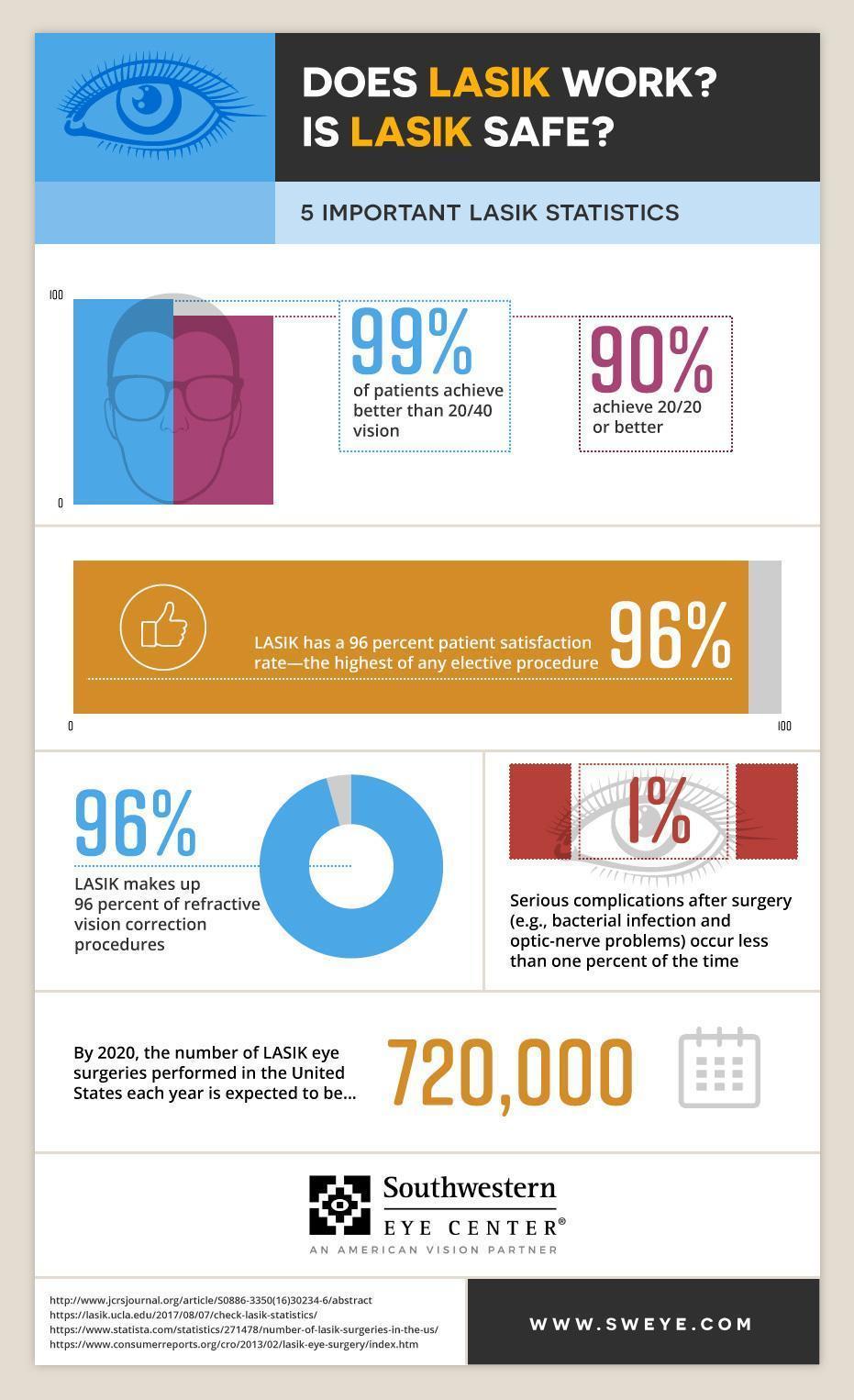
LASIK procedure, or LASIK, is a well-known and effective surgery designed to address frequent sight problems such as myopia, hyperopia, and irregular vision. The procedure employs state-of-the-art laser systems to mold the cornea, permitting light to be directed correctly on the light-sensitive layer. This outpatient procedure typically requires only a few minutes per eye, making it a convenient option for numerous individuals seeking independence from glasses or contacts.
One of the critical factors in the effectiveness of LASIK is the competence of the doctor. An skilled laser eye surgery surgeon will have a comprehensive knowledge of the complex structure of the eye and the basic principles of laser refractive surgery. Factors such as the density of the eye’s surface, the curvature, and overall eye health are crucial in deciding the most suitable method for each patient, underlining the necessity of selecting a certified doctor.
Tech improvements have also led to the development of bladeless laser eye surgery, which employs a femtosecond laser to create the cornea flap instead of a traditional blade. This method offers greater accuracy and lowers the chance of problems. Licensed Ophthalmologist Lasik considering LASIK should converse with their laser eye surgeon the alternatives available, including the gains of bladeless procedure, to make an knowledgeable choice that corresponds with their vision correction needs.
Credentials of an Proficient Doctor
When evaluating a LASIK specialist, it is important to examine their credentials rigorously. https://scroll.in/article/754437/more-than-a-decade-later-lingering-questions-about-lasiks-long-term-effects qualified surgeon should have a degree in medicine from a well-respected institution and advanced training in ophthalmology. Look for licenses from respected organizations, such as the American Board of Ophthalmology, which demonstrate that the surgeon has met high criteria of training and skill in the field of ophthalmology.
Experience plays a crucial role in the effectiveness of LASIK surgery. An accomplished LASIK surgeon usually has carried out numerous operations and keeps current on the newest developments in laser technology and methods. This extent of expertise not only does it boost the surgeon’s ability but also creates confidence in patients, knowing they are in good hands. Feel free to ask about their track record and the results of prior procedures.
Moreover, take into account the technical proficiency of the clinic where the doctor works. A no-blade LASIK specialist who utilizes the cutting-edge laser technology might provide better precision and security in contrast to traditional approaches. It is also advantageous to review patient reviews and comments, as they can offer insights into the surgeon's expertise and commitment to caring for patients.
Advantages of Bladeless LASIK
Bladeless LASIK, which is also referred to as Bladeless LASIK, offers multiple significant benefits over traditional LASIK techniques. One of the primary advantages is the enhanced precision in creating the corneal flap. Using a femtosecond laser rather than a blade reduces the likelihood of inconsistencies and issues, leading to better visual outcomes. Patients can expect a more uniform surface on the cornea, which can improve the recovery process and boost overall visual clarity.
Another notable advantage, Bladeless LASIK is the reduction in pain and the speed of the process. Many patients indicate feeling reduced pressure and pain compared to ordinary methods, making their experience less stressful. Additionally, since the flap creation is finished quickly with a laser, patients spend reduced time in the operating chair, minimizing anxiety and boosting satisfaction with the procedure.
Finally, Bladeless LASIK is linked to fewer complications related to flap creation. The use of lasers permits a uniformly customizable and tailored flap that can accommodate individual corneal shapes and thicknesses. This leads to a lower incidence of problems such as flap dislocation or complications during the healing phase, making it a safer option for patients thinking about vision correction.
Questions to Ask Your LASIK Surgeon
When thinking about LASIK operation, it's crucial to ask your doctor about their experience and credentials. Ask about how many procedures they have conducted and their total success rates. An experienced LASIK surgeon will be open about their track record and should provide you with data that demonstrates their expertise. Understanding their experience in the industry can give you assurance in their capability to address your specific case.
Another important factor to discuss is the equipment used in the procedure. If you are interested in a non-blade approach, be sure to ask if your surgeon specializes in this technique and what benefits it may provide compared to traditional LASIK. A skilled laser eye surgeon should be capable to clarify the variances clearly and help you grasp which option might be best for your vision needs.
Finally, do not be afraid to ask about the after surgery care and recovery protocol. Knowing what to foresee after the surgery, including any potential side effects and the timeline for recovery, is essential for your comfort. A good LASIK surgeon will provide comprehensive instructions on post-surgery and follow-up visits to ensure your vision recovers as anticipated.